
Your child comes home quiet. They don't want to talk about school. They've stopped mentioning a friend they used to bring up constantly. Maybe they've complained about a stomachache on school mornings for the third week in a row. Something is wrong, and somewhere in the back of your mind, you already know what it might be.
Bullying is one of the most painful things a parent can watch their child go through, and one of the most complicated to respond to. The instinct is to fix it fast: call the school, confront the other parents, tell your child to stand up for themselves, or simply advise them to ignore it and walk away. These responses come from a place of love. But most of them don't work. And one of them, ignoring it, can actually make things significantly worse.
The Myth of "Just Walk Away"
For decades, the standard advice given to children being bullied was to disengage, don't react, don't give the bully the satisfaction of a response, and eventually they'll lose interest. It sounds reasonable in theory. In practice, it fails for one simple reason: it tells a child who is already feeling powerless to become even more passive.
When a child learns to shrink themselves, to make themselves smaller, quieter, less visible , in response to a threat, that pattern doesn't stay confined to the school hallway. It bleeds into every area of their life. They stop raising their hand in class. They stop trying out for things. They start avoiding anything that might invite attention or criticism. The bully may eventually move on. But the damage to how that child sees themselves can last for years.
"Children who are taught to avoid conflict rather than navigate it with confidence don't become resilient. They become experts at disappearing."
, Dr. Michele Borba, Educational Psychologist & Author of UnselfieKnow the Signs Before They Disappear
Children rarely announce that they are being bullied. They don't have the vocabulary for it, they worry they won't be believed, or they're afraid that adult intervention will make things worse. By the time a child tells you directly, the situation has often been going on for weeks or months. That's why learning to read the signs early matters.
Warning signs your child may be experiencing bullying
If you're seeing two or more of these signs, trust your instincts. Open the door gently , not with direct questions that put a child on the spot, but with statements like "I've noticed you seem a bit stressed lately , I'm here whenever you want to talk." Then wait. Most kids will eventually walk through that door.
What Actually Works: The Parent's Response Framework
When your child does open up , or when you've confirmed something is happening , how you respond in the first five minutes matters enormously. Children are watching to see whether they made a mistake by telling you. Your job in that first conversation is not to solve the problem. It's to make them feel safe, heard, and not alone.
The Confidence That Changes Everything
Here is what decades of research into bullying consistently shows: children who carry themselves with genuine confidence , who make eye contact, speak clearly, hold their posture, and project the quiet certainty that they are not an easy target , are significantly less likely to be bullied in the first place. And when bullying does occur, they are far better equipped to defuse it, walk away without shame, or respond assertively without escalating.
That kind of confidence cannot be faked. It cannot be talked into a child. It has to be built , through repeated experience of doing hard things and discovering that they can. Through learning to fall down and get back up. Through earning something difficult with their own effort, week after week, until the knowledge that they are capable becomes a part of who they are.
This is precisely what martial arts training develops. Not aggression. Not the desire to fight. The opposite, in fact: the internal assurance that makes fighting unnecessary.
Why Martial Arts Is Different from Other Activities
Team sports build camaraderie. Music builds patience. Art builds creativity. Martial arts builds something none of those activities are specifically designed to develop: the ability to stand your ground calmly under pressure.
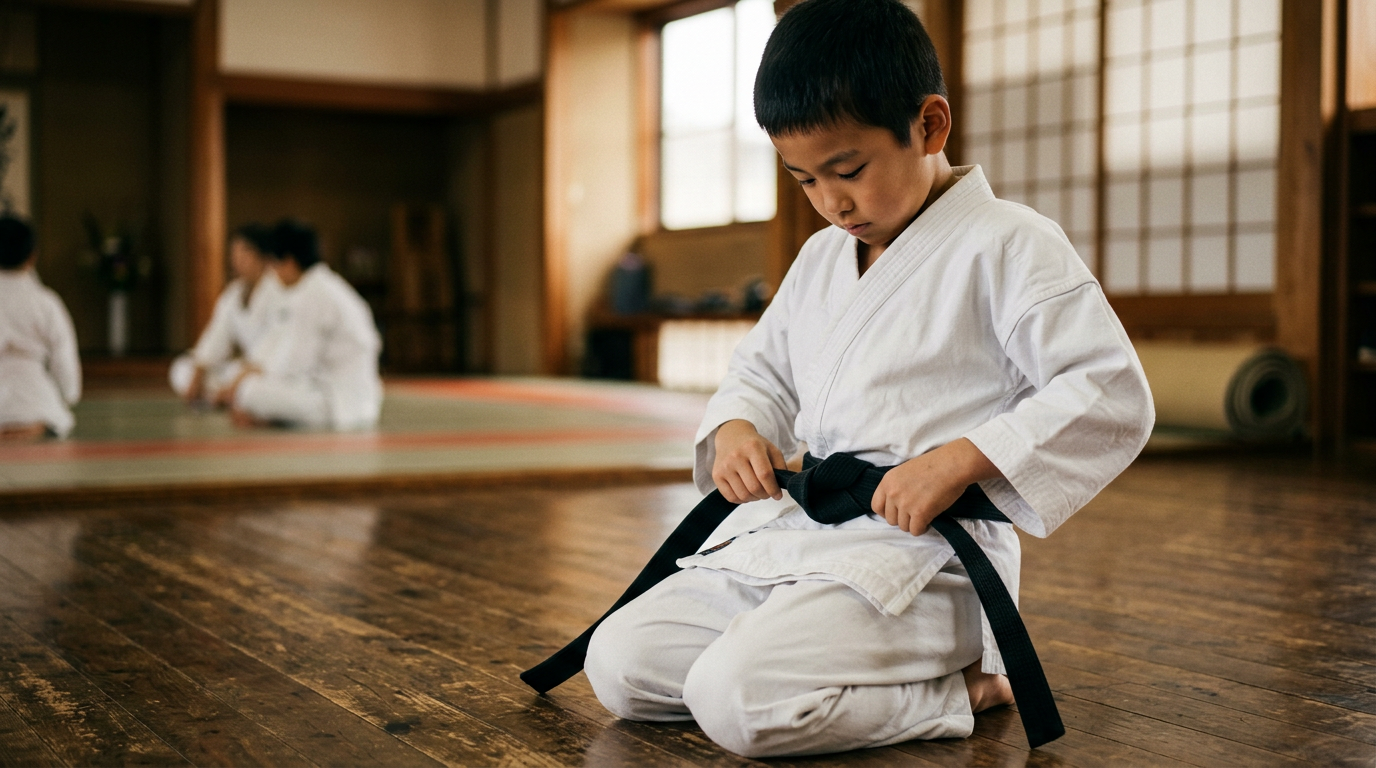
On the mat, children regularly face situations that feel uncomfortable or overwhelming. A technique they can't get right. A sparring partner who is stronger or faster. A moment where every instinct says quit. And they learn , with the guidance of instructors who have been there themselves , to breathe through it, stay composed, and keep going. That skill transfers directly to the hallway, the lunch table, and every moment where a bully is banking on your child backing down.
Beyond the physical training, the culture of a quality martial arts school teaches children something equally important: how to treat people with respect, how to resolve conflict without escalation, and how to be the kind of person who doesn't need to put others down to feel powerful. Children who train in this environment don't just become harder to bully. They often become the kind of peers who stand up for others.
You Don't Have to Wait for It to Happen
The best time to build a bully-resistant child is before the bullying starts. Confidence, assertiveness, and emotional resilience are skills , and like all skills, they take time and repetition to develop. Waiting until your child is already struggling means playing catch-up in the hardest possible conditions.
The parents who bring their children to Elite Leadership Martial Arts aren't all responding to a crisis. Many of them are simply investing in the kind of foundation that means their child walks into school every day with their head up, their shoulders back, and the quiet certainty that whatever happens , they can handle it.
That is the most powerful protection you can give them. And it starts with one class.
Give Your Child the Confidence
That Changes Everything
Book a complimentary trial class today. No experience needed , just a willingness to show up and try.
Claim Your Free Trial Class