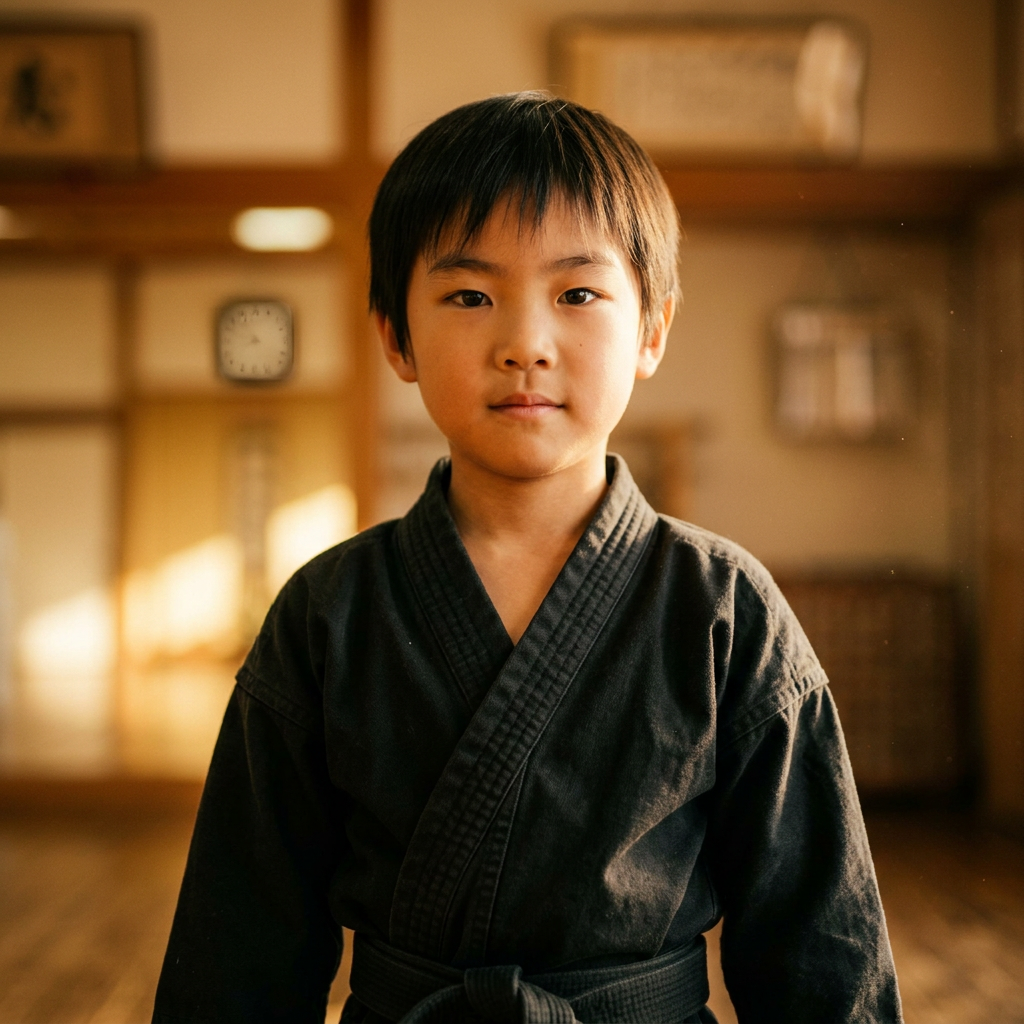

You've tried everything. Earlier bedtimes. Screen-time limits. Reward charts. Pep talks. And still, your child zones out during homework, melts down when things don't go their way, and seems utterly unmotivated by anything that requires real effort. If this sounds familiar, you are not alone and more importantly, you are not failing as a parent.
Across North America, a quiet crisis is unfolding in kitchens, classrooms, and living rooms: children are struggling to focus, to follow through, and to find the inner drive that transforms effort into achievement. Teachers report it. Pediatricians see it. And parents feel it every single day.
of parents say their biggest daily struggle is getting their child to focus, follow directions, and complete tasks without conflict according to a 2023 survey by the American Psychological Association.
The Real Problem Isn't Your Child
Modern life is engineered to destroy focus. Smartphones, social media, streaming, and video games are designed by some of the world's smartest engineers to capture attention and never let go. When a child's developing brain spends hours chasing the dopamine hits of a screen, real-world tasks homework, chores, conversation feel agonizingly slow by comparison.
The result? A generation of kids who are overstimulated, under-challenged, and robbed of the quiet, steady satisfaction that comes from working hard at something difficult and getting better at it. And the collateral damage hits every corner of their lives: slipping grades, fraying friendships, plummeting self-confidence, and an inability to handle even small frustrations without falling apart.
"The child who can't sit still in class and the teenager who gives up the moment things get hard are not defective they are underprepared. They were never taught how to struggle well."
~ Dr. Angela Duckworth, Author of GritWhy Traditional Solutions Fall Short
The instinct is to restrict and reward take away the iPad, offer a prize for good behavior. And while those tools have their place, they treat the symptom rather than the cause. What children are missing isn't motivation from the outside. It's the inner conviction that I am capable. I can do hard things. I won't quit.
That conviction doesn't come from a sticker chart. It comes from repeated lived experience from attempting something genuinely difficult, failing, getting up, trying again, and eventually succeeding. That cycle, practiced over and over in a structured environment with clear expectations and consistent mentorship, is what builds a child who can focus, who perseveres, and who leads.
The Three Pillars Kids Are Missing
- 1Clear Structure & Expectations Children thrive when they know exactly what is expected of them. Ambiguity breeds anxiety and avoidance. A structured environment with firm, consistent standards is calming not constricting.
- 2Respectful, Accountable Mentorship Kids need an adult outside the home who holds them to a higher standard with warmth and belief. The right instructor at the right moment can change the trajectory of a child's life.
- 3Progressive, Visible Achievement Children need to see and feel themselves improving at something real. The belt system in martial arts is one of the most powerful progress frameworks ever designed for young people.
How Martial Arts Builds What Screens Destroy
This is where martial arts practiced in the right environment, with the right instructors becomes one of the most powerful developmental tools available to parents today. Not because it teaches children to fight. But because it does something far more important: it teaches them how to try.
On the mat, a child cannot scroll past what is difficult. There is no algorithm curating only the parts they enjoy. There is a technique they cannot yet do, an instructor who expects them to keep trying, and a class full of peers experiencing the same challenge. The discomfort is the point and working through it, class after class, week after week, rewires how a child relates to difficulty itself.
Research from the University of Illinois confirms that structured martial arts training significantly improves executive function the cognitive skills that govern attention, impulse control, and goal-directed behavior in children as young as six. These are precisely the skills that determine academic performance, social success, and emotional regulation.
What Changes at Home and at School
Parents who enroll their children in quality martial arts programs consistently describe the same arc: within weeks, their child begins to carry themselves differently. They make eye contact. They respond to correction without shutting down. They start tasks without being told three times. Teachers notice. Grades improve. Siblings get along better.
This isn't coincidence. Martial arts training instills habits of mind: the habit of showing up even when you don't feel like it, of respecting those with more experience, of setting a goal and working toward it one class at a time. Those habits don't stay on the mat. They follow your child into every room they enter.
of parents in a Johns Hopkins study reported measurable improvements in their child's self-discipline and focus within 90 days of beginning structured martial arts training outperforming tutoring, sports, and behavioral therapy as standalone interventions.
The Elite Leadership Difference
At Elite Leadership Martial Arts, we don't just teach kicks and punches. We teach children to lead starting with themselves. Every class is built around our core values: Respect. Discipline. Perseverance. Confidence. Excellence. These aren't words on a wall. They are actively practiced, called out, and celebrated on the mat every single day.
Our instructors are trained not only in martial arts but in child development. They know how to challenge a 7-year-old who is ready to quit and a 12-year-old who has never learned to lose gracefully. They meet every child where they are and pull them forward.
The result is not just a child with a higher belt. It is a young person who walks into a classroom, a job interview, or a moment of crisis with the quiet certainty that they have done hard things before, and they can do hard things again.
That is the most important thing you can give your child. And it starts with one class.
Ready to See the Difference?
Book your child's complimentary trial class at Elite Leadership Martial Arts. No experience necessary just a willingness to try.
Claim Your Free Trial Class